
Martial arts training has long been recognized as a valuable way to improve physical fitness, mental discipline, and personal confidence. Among the many martial arts styles practiced around the world, Taekwondo stands out for its emphasis on powerful kicking techniques, structured forms, and strong philosophical values. One of the historically respected branches within Taekwondo is Chung Do Kwan Taekwondo, a traditional style that has contributed significantly to the development and spread of Korean martial arts.
Taekwondo originated in Korea and evolved through the influence of ancient combat systems, military training methods, and modern martial arts instruction. Over time, different schools and training traditions emerged, each contributing unique techniques and philosophies. Chung Do Kwan became one of the earliest and most influential martial arts schools established during the modernization of Korean martial arts training.
The phrase “Chung Do Kwan” is often translated to represent the “School of the Blue Wave.” The name reflects concepts of strength, growth, adaptability, and continuous movement. These principles remain deeply connected to the philosophy of martial arts practice and personal development.
One of the defining features of traditional Taekwondo training is its strong focus on discipline. Students are encouraged to respect instructors, training partners, and the learning environment. Bowing before entering the training area, maintaining proper posture, and following structured routines are all part of building respect and self-control.
Physical conditioning is another major component of Taekwondo practice. Classes often include stretching, balance exercises, cardiovascular training, and flexibility drills. These activities help students develop coordination, endurance, and strength while reducing the risk of injury during training.
Kicking techniques are among the most recognizable aspects of Taekwondo. Students practice a variety of kicks designed to improve speed, accuracy, and power. Front kicks, roundhouse kicks, side kicks, and spinning kicks are commonly included in training routines. Repetition and technique refinement help students perform movements with greater control and efficiency.
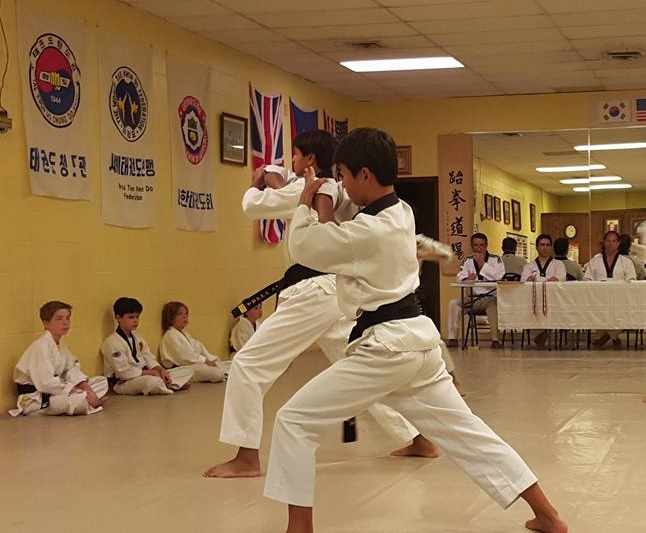
Forms practice, also known as poomsae or patterns, is another essential element of Taekwondo training. Forms consist of choreographed sequences of movements that combine blocks, strikes, kicks, and stances. Practicing forms helps students improve balance, focus, coordination, and memorization skills.
Self-defense techniques are also taught in many Taekwondo programs. Students learn how to respond to common physical threats using controlled movements and defensive strategies. The goal is not to encourage aggression but to build awareness, confidence, and the ability to protect oneself when necessary.
Mental discipline is one of the most valuable benefits of martial arts practice. Training requires concentration, patience, and persistence. Students gradually learn to overcome challenges, manage frustration, and stay committed to long-term improvement. These lessons often extend beyond the training environment into everyday life.
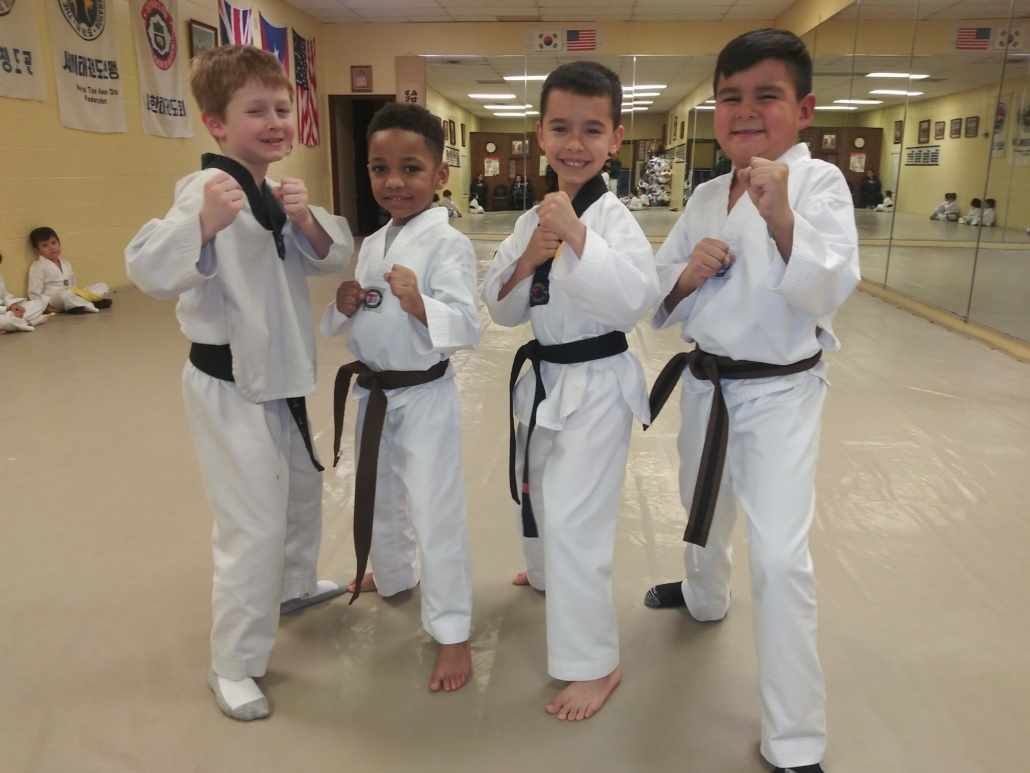
Children who participate in martial arts training may benefit from improved focus and self-confidence. Structured instruction encourages responsibility, listening skills, and goal setting. Many parents appreciate the positive influence that martial arts can have on behavior and personal growth.
Adults also find value in Taekwondo training for fitness and stress management. Martial arts classes provide an active environment where participants can improve physical health while developing mental clarity and emotional balance. Regular training often supports overall well-being and healthy lifestyle habits.
The belt ranking system is another important part of martial arts progression. Students advance through different belt levels as they demonstrate improved skills, discipline, and knowledge. Each promotion represents dedication and consistent effort over time.
Sparring is commonly included in intermediate and advanced training programs. Controlled sparring allows students to apply techniques in a supervised setting while improving timing, reflexes, and strategic thinking. Safety equipment and strict rules help minimize the risk of injury during practice.
Traditional martial arts schools often emphasize character development alongside physical training. Values such as integrity, perseverance, humility, and courtesy are reinforced throughout the learning process. These principles help students build strong personal habits and respectful behavior.
The influence of Chung Do Kwan Taekwondo can be seen in the broader development of modern Taekwondo around the world. Many techniques, training methods, and philosophical traditions associated with early Korean martial arts schools continue to shape contemporary instruction today.
Consistency is essential for progress in martial arts. Students who train regularly tend to improve flexibility, coordination, and technical accuracy more effectively over time. Routine practice also strengthens muscle memory, allowing techniques to become more natural and controlled.
Breathing control is another important aspect of martial arts training. Proper breathing techniques help students maintain balance, conserve energy, and generate power during movements. Controlled breathing also supports relaxation and concentration during practice.
Martial arts training environments are often structured to promote mutual support among students. Training partners help each other improve through practice drills, encouragement, and shared learning experiences. This sense of community can create strong social connections and motivation.
Another key benefit of Taekwondo training is improved posture and body awareness. Students learn how to move efficiently while maintaining proper alignment and balance. These physical improvements may contribute to better overall movement and coordination in daily activities.
Flexibility training is especially important in Taekwondo because many kicking techniques require a wide range of motion. Stretching exercises are commonly included at the beginning and end of classes to improve flexibility and reduce muscle tension.
Martial arts tournaments provide opportunities for students to test their skills in organized competitions. Events may include sparring, forms demonstrations, and breaking techniques. Participating in competitions can help students develop confidence and experience performing under pressure.
The philosophy behind traditional martial arts extends beyond physical ability. Many practitioners view martial arts as a lifelong journey of self-improvement and personal growth. Progress is measured not only by technical skill but also by attitude, discipline, and character.
Modern training methods often combine traditional instruction with updated fitness approaches. While preserving core martial arts values, many schools incorporate conditioning exercises and sports science principles to improve performance and safety.
Martial arts can also provide important stress-relief benefits. Physical activity, focused movement, and structured routines help many students reduce anxiety and improve emotional well-being. The discipline of training often creates a sense of stability and routine.
Ultimately, Taekwondo training offers a balanced combination of physical activity, mental discipline, and personal development. Through consistent practice, students can improve strength, confidence, flexibility, and focus while learning valuable life skills that extend beyond the training floor.
Indianapolis Taekwondo





Write a comment ...